Interactive Convection Simulation
Understanding Convection Simulation Through Interactive Learning
This convection simulation demonstrates how temperature differences in fluids create natural circulation patterns. Convection is a fundamental heat transfer mechanism where warmer, less dense fluid rises while cooler, denser fluid sinks, creating continuous motion cycles observed in oceans, atmospheres, and everyday phenomena.
How This Convection Simulation Works
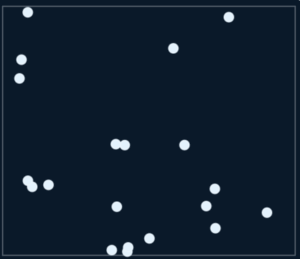
Our interactive tool visualizes three key scenarios: daytime sea breezes where land heats faster than water, nighttime sea breezes with reversed patterns, and global trade winds driven by equatorial heating. Each scenario uses particle motion to represent air movement, with colors indicating temperature variations. Adjust heat intensity, wind speed, and particle count to see how these variables affect convection patterns.
Real-World Applications
Understanding convection helps explain weather patterns, ocean currents, and climate systems. Sea breezes cool coastal areas during hot days, while trade winds enabled historical ocean navigation. Students can explore how the Coriolis effect deflects moving air masses and why convection cells form predictable circulation patterns in Earth's atmosphere.
Current simulation: Sea Breeze (Daytime). Warm air rises over land, creating a breeze from sea to land.